



 Login
Login
 Subscribe
Faletele project to revive traditional architecture

 By Gagau Faavesi Sitaiai
•
27 March 2026, 4:30PM
By Gagau Faavesi Sitaiai
•
27 March 2026, 4:30PM
A major cultural heritage project aimed at preserving Samoa’s traditional architectural knowledge is set to begin at Le Amosā o Savavau School, marking a significant step in safeguarding indigenous practices for future generations.
The initiative is supported by the Endangered Material Knowledge Programme (EMKP), funded by Arcadia and administered through the British Museum. It focuses on documenting and revitalising traditional Samoan building techniques by constructing a climate-resilient faletele.
British High Commissioner Gareth Hoar recently visited the school grounds where the meeting house will be built. The project is part of the EMKP-funded research, “Documenting Traditional Architecture of Samoa,” led by the principal applicant, Galumalemana Steven Percival, in collaboration with the University of St Andrews and the British Museum.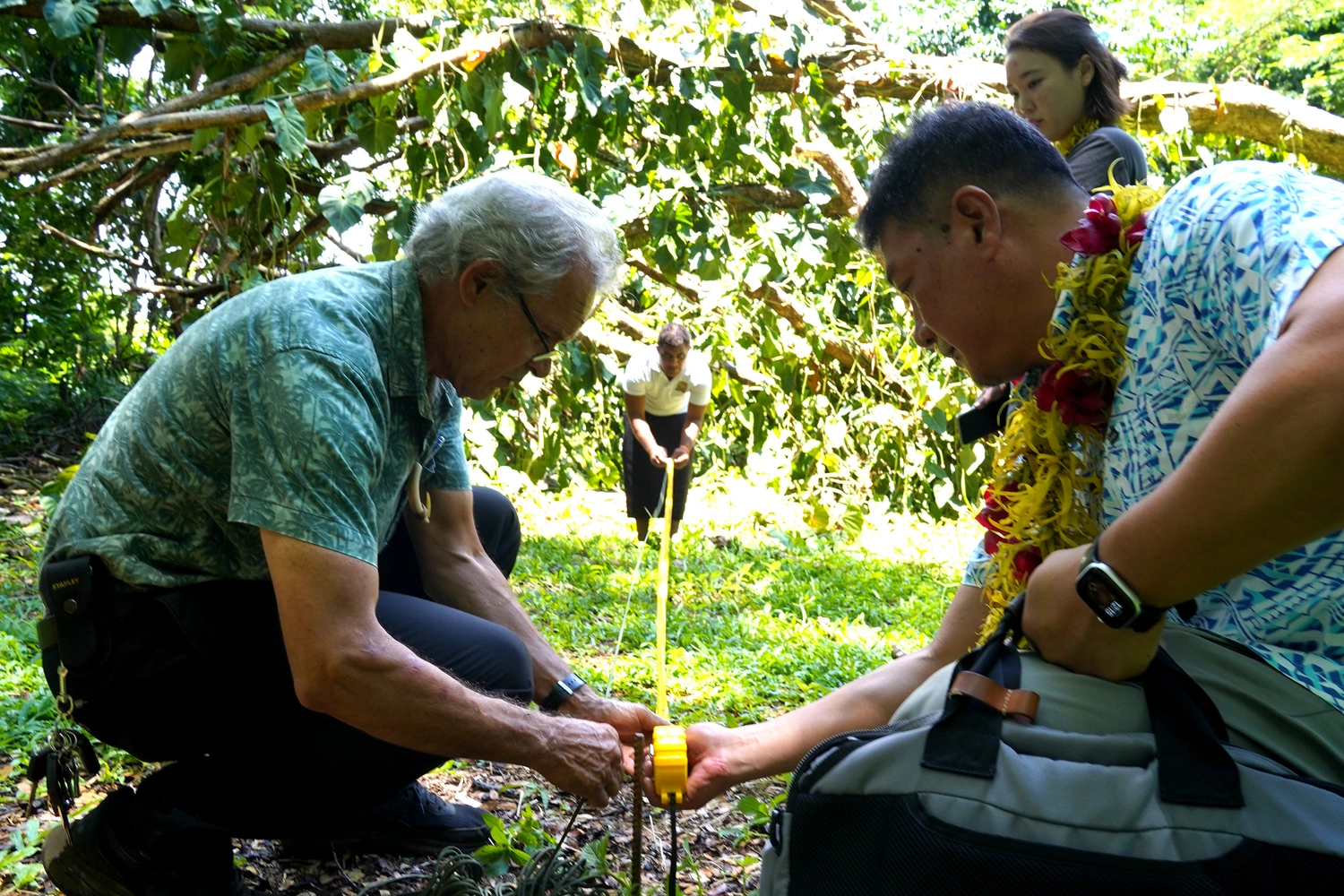
Construction will be carried out by the traditional house-building guild Moe ma le Āiga Sā le Malama from Sa’anapu, led by master builder Lesā Laufale Fa‘anū. The team also includes heritage artists from the Tiapapata Art Centre. The entire process, from rituals to construction techniques, will be documented through video, audio, photography and written records.
Hoar said the project highlights the importance of preserving endangered knowledge in a living environment. He added that students will have opportunities to observe and, where appropriate, participate in parts of the construction process.
School principal Leota Fitimaula Donna Ioane said the project aligns with the school’s vision of promoting Samoan language and culture. She described the faletele as a “living classroom” that will support hands-on cultural learning.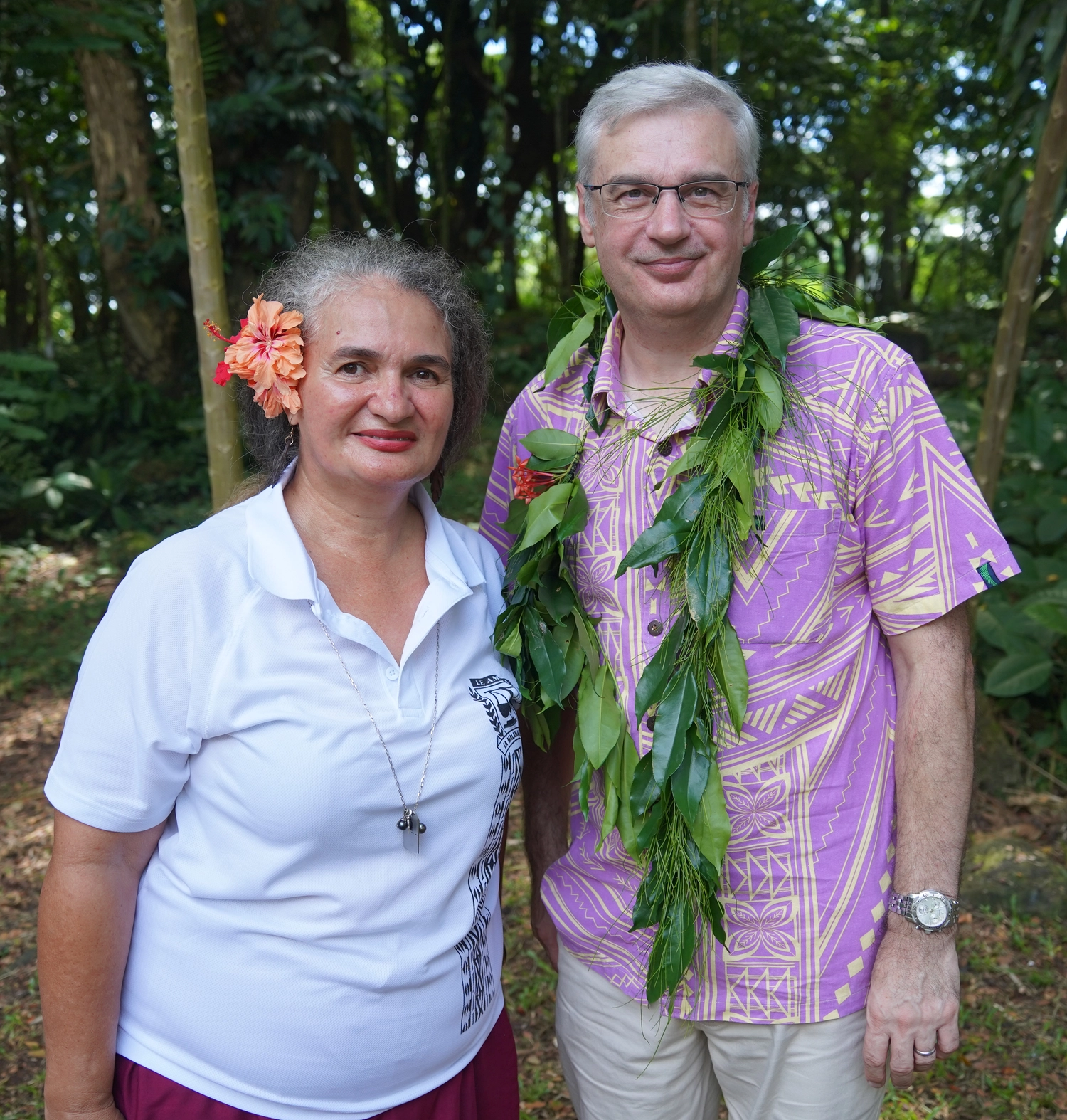
Founded more than 20 years ago by the late Aiono Dr Fanaafi Le Tagaloa and Le Tagaloa Pita, the school has built a reputation for its strong cultural foundation. It currently has about 90 to 100 students who are expected to benefit from the project.
The visit included a ceremonial performance of the fagufagu (nose flute) by Galumalemana and a student, marking the significance of the site. Nearby archaeological features, such as a foaga (adze-sharpening stone), highlight the historical importance of the area.
The project has also drawn international attention. Officials from the Embassy of Japan, including Counsellor Kanata Tomohiro and Second Secretary Sumiko Nakashima, previously visited the school, its first engagement with Japanese representatives.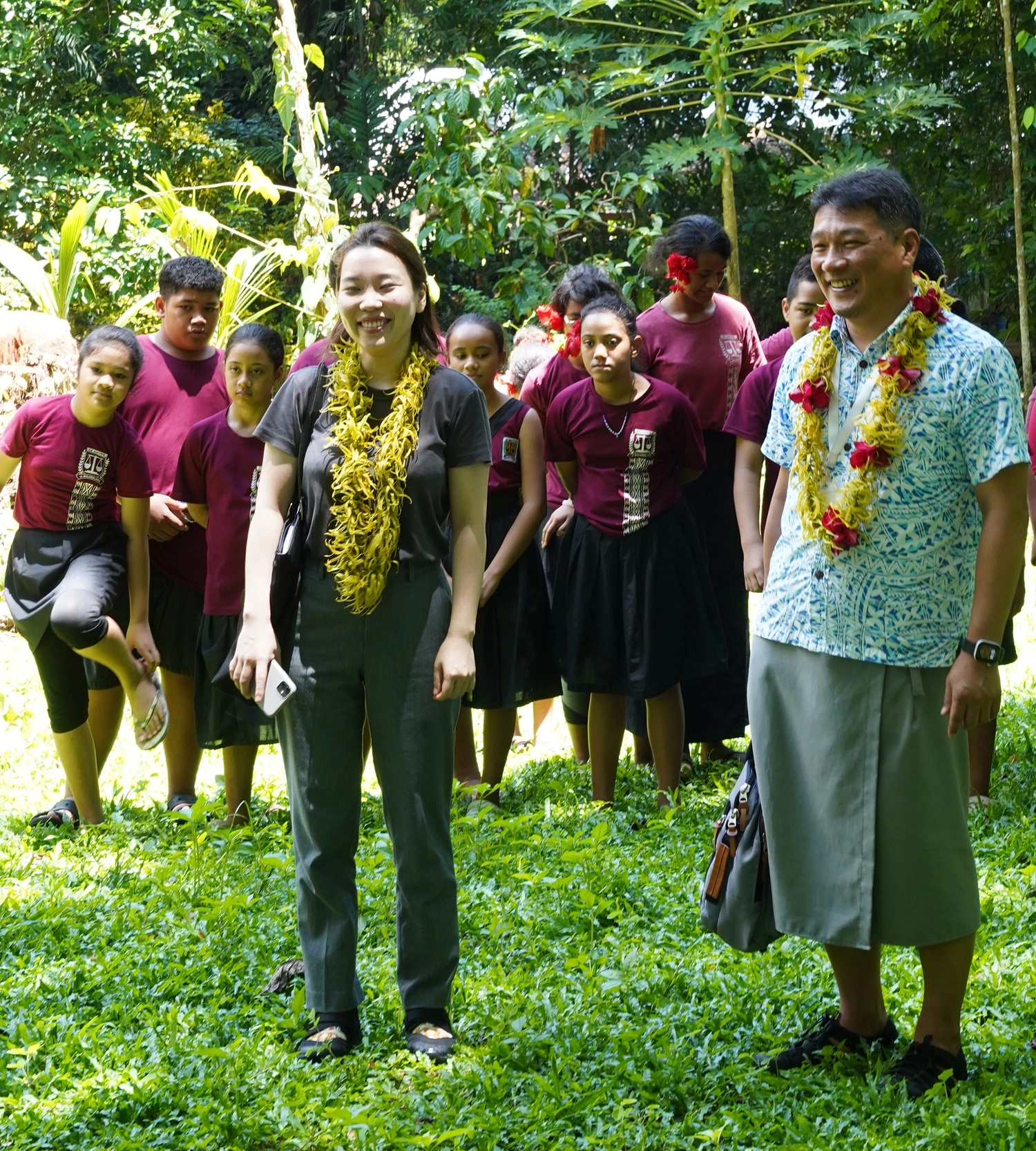
Students also took part in a symbolic activity during the visit, representing the 32 perimeter posts of the future faletele, reflecting the project’s strong educational and participatory approach.
The initiative builds on earlier collaborations between Galumalemana and the Sa’anapu builders, including projects in Samoa and Japan.
Once completed, the project will produce a comprehensive digital archive of Samoan architectural practices, ensuring that this cultural knowledge is preserved and accessible for generations to come.




