Login
Login
 Subscribe
Child vendor survey findings point to systemic failure
 1
1
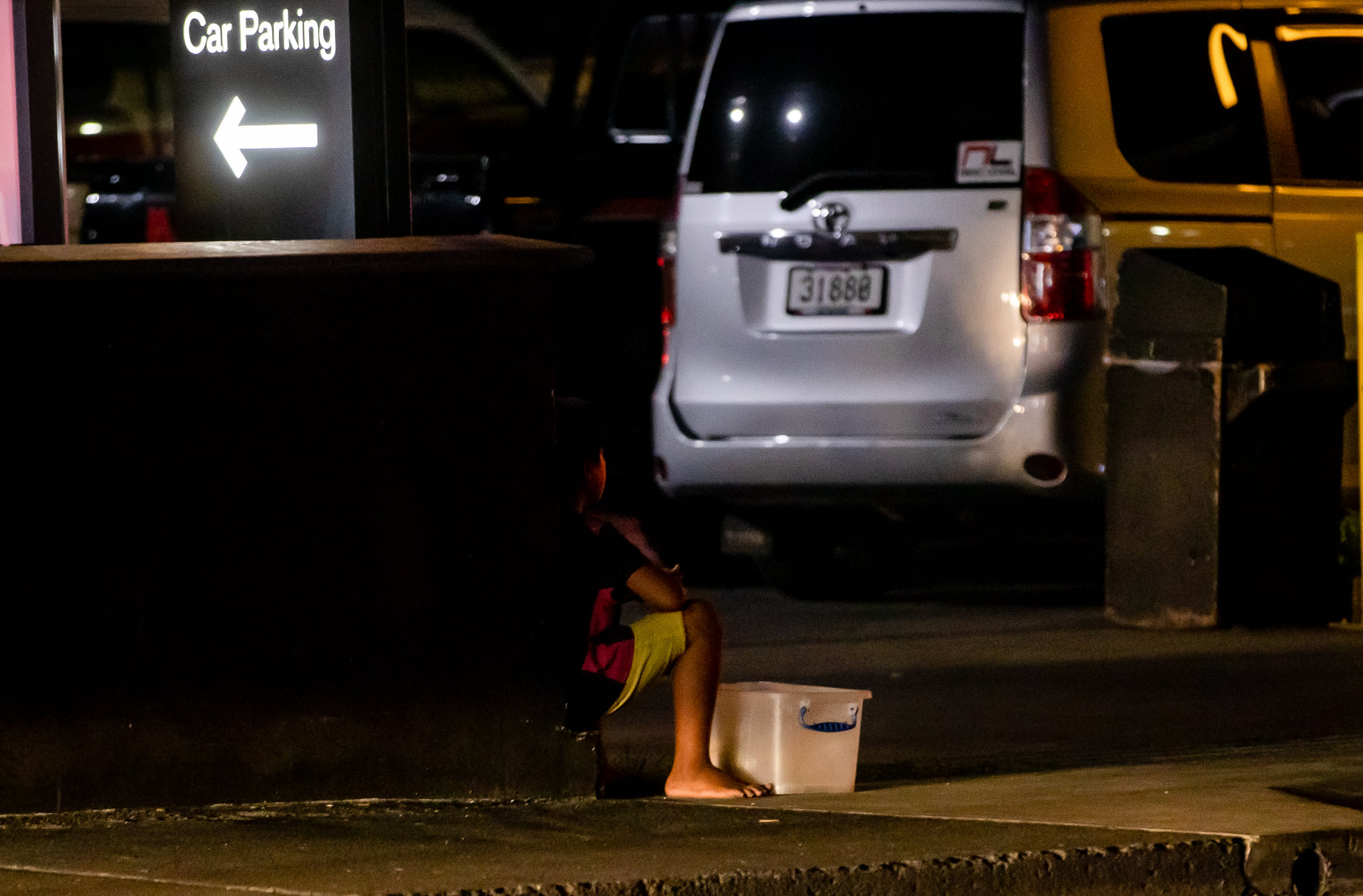
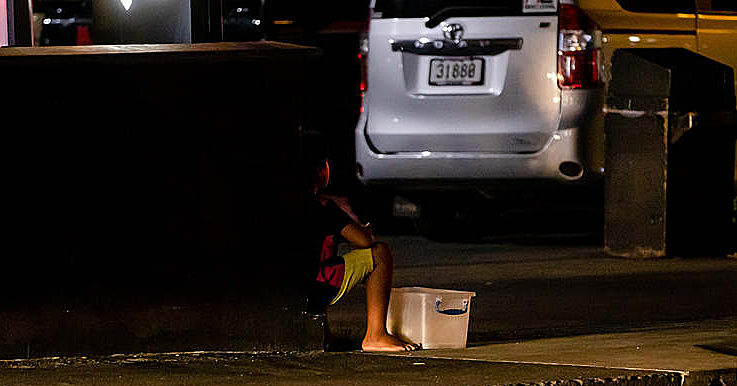
The sight of child vendors on the streets of Apia has become synonymous with life in Samoa over the years.
Their lives plying their trade has led to discussions and triggered debate, from the highest echelons of power in Samoa’s Legislative Assembly, to conferences and workshops hosted by Government Ministries and non-government organisations.
The jury is still out on the long-term impact of such a practice on the child vendor and his or her family – but we are getting closer to having more data – courtesy of a recent survey conducted by a National University of Samoa (NUS) team.
Last Friday data from a 2022 Rapid Assessment Survey of Child Vendors was discussed as part of a fourth consultative process at the Taumeasina Island Resort.
Details of the discussions were reported in an article (Child vendors increasing, getting younger: survey) in the 17 July 2022 edition of the Sunday Samoan.
Associate Professor Tuiloma Susana Tauaa and Dr Mercy Ah-Siu Maliko of the NUS presented the findings of the survey. This year’s survey was a follow-up to a 2015 pilot study of children working on the streets of Apia. It is an initiative of the Ministry of Commerce Industry and Labour (MCIL) and is co-funded by UNICEF and the ILO.
There was one significant finding from this year’s survey Tuiloma highlighted in her presentation, which we believe should be delved into further.
She said a comparative analysis of the data from the 2015 survey to the 2022 one showed a 27 per cent increase in child vendors and they are getting “younger and younger”.
"In 2015 there was denial of child vendors and poverty, now we can see clearly that it is spreading," the academic said.
"The dysfunction in Samoan families is apparent so we want to investigate that in another survey.”
Having covered the issue of child vendors for many years, we can only assume that the rise in numbers – as confirmed through a comparative analysis of the 2015 and 2022 survey data – could point to an increase in poverty-stricken families in Samoa, which is leading to children being forced to get out to sell.
But we could be wrong, which is why a follow-up survey as a recommended course of action by Tuiloma, could be the way to go as part of the Samoa Government’s broader strategy to find a long-term solution.
We also note the admission by the C.E.O. of the Ministry of Women Community and Social Development, Dr. Mema Motusaga, during last Friday’s conference that her Ministry has limitations in budgetary support to cater for child care and protection.
"The Ministry of Women includes children as seeing women should also mean that they have children," she said.
"We do have a policy, the policy is ambitious, over the years there has not been a big investment of Samoa in the children.
"We do not have budget support to finance activities that look at the protection of our children.
"There have been discussions on establishing a child's commissioner – our country is far from ready.
“We have been depending on our development partners on this issue for many years, we started off with one officer and now only three officers in it for the Ministry.
"There are a lot of things that we need to prioritise internally but we have to look at the capability of this Ministry first.”
Dr. Motusaga should be commended for being upfront about the limitations in budgetary support for her Ministry, which she said has affected her Ministry’s ability to effectively address issues of child care and protection.
The budgetary constraints within the Ministry has also impacted on its staffing capability with the CEO revealing they initially had one officer which gradually increased to three.
Her concerns about the Government depending on development partners to address issues relating to child care and protection are also valid. Why should the Government depend on development partners for support in this area which concerns our children and their future?
It appears successive Samoan Governments failed to prioritise child care and protection and left them at the mercy of the country's economic modelling, which Samoa embraced over the years to promote growth and prosperity.
Perhaps, the success of the Fa’atuatua i le Atua Samoa ua Tasi (FAST) Administration at the general election last year, could be a blessing in disguise for Samoa’s children.
It means the relevant Government agencies, such as the Ministry of Women Community and Social Development, can undertake a 360 degree review of their programs targeting children with a fresh lens, and be able to freely admit in public forums their successes as well as failures.
Again, we commend the MCIL, UNICEF and the ILO for taking the lead and supporting the survey undertaken by the NUS team.
Through the survey, we are beginning to get a clear picture of the challenges facing a distinct group of Samoan children, who’ve been forced to abandon the joys of living a carefree childhood life, to take on a parental responsibility of putting food on the table.
What’s the point of signing child rights conventions when Samoa’s governance framework is riddled with loopholes including budgetary constraints that make children today even more vulnerable?