Login
Login
 Subscribe
Protecting our history and writing our own stories
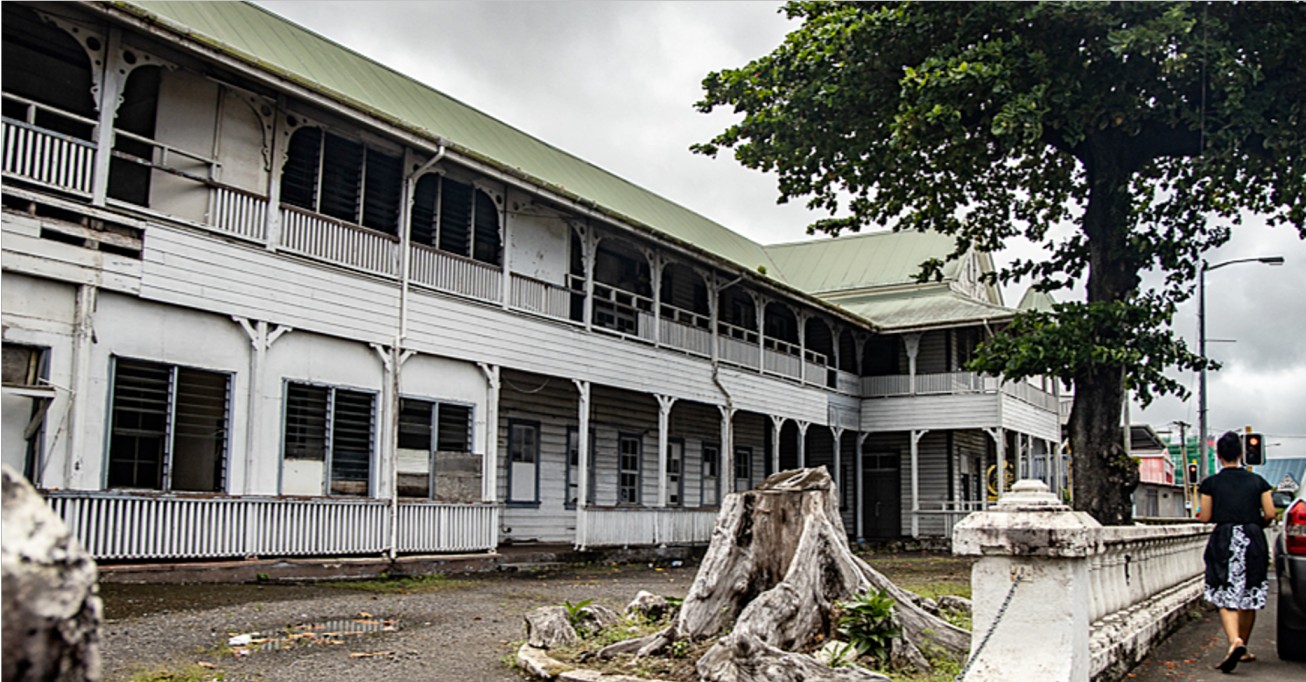
There were some powerful words uttered at a conference at the Ministry of Education Sports and Culture office at Malifa on Monday morning.
The occasion was the commemoration of International Archives Day with the discussions at the Ministry revolving around the theme “Archives Are You”.
Guest included the Minister for Education Sports and Culture, Seu'ula Ioane Tua'au and the National University of Samoa’s Centre for Samoan Studies Director, Ta'iao Dr. Matiu Matavai Tautunu.
An article (Foreign ideals could overwhelm if records lost: academic) in the Tuesday 7 June 2022 edition of the Samoa Observer reported on the concerns raised at the M.E.S.C. event.
Ta'iao wasted no time in highlighting his concerns about the state of affairs of the country’s archiving of critical historical records, and the need for the various actors to make a concerted effort to preserve them, in order to maintain and protect our national identity.
"It is my hope that there is information inside the archives to tell us about our first fale fono a Samoa (parliament house), the old court house, the first Samoa Ne'i Galo building, the first Catholic church were Iosefo turned to for support from the church to help Samoans fight for their independence from foreign powers," the Centre for Samoan Studies Director told the gathering on Monday morning.
It was the perfect time, in fact the perfect week to put everyone on notice, in light of Samoa’s 60th Independence anniversary.
One of the takeaways from his speech is why should we celebrate this achievement of six decades of freedom and democracy, when we turn a blind eye to the loss of historical records that identified how we as a people arrived at where we are today.
Ta'iao went further and warned that failure on our part to maintain and protect our historical records could open the door to the foreign domination of Samoan thoughts and ideals.
Towards the end of his speech, the Centre for Samoan Studies Director questioned why Samoans were not writing their own history in the Samoan language, to ensure that the narrative is seen through the Samoan lens.
"There are challenges to what we know and what we are storing to pass onto the next generation, the first books written by the palagis are still part of our curriculum,” he said in his speech.
“Those books were first translated by the late Aiono Dr. Fanaafi Le Tagaloa and it is okay.
“But I think we should also now write our own history in our language so that Samoan voices are telling Samoan significant stories.
"I realise also that there are a lot of historical books only as far back as the 1830s and then there is Kramer's book which was written in 1902.
“We seem to have lost information before that as if to say that what our people did before the missionaries was not good or important.
"But if we go back further, we will recognise that we would have lived just as we do today, with more vitality of our cultures and our language.”
The N.U.S. academic just hit the nail on the head with his comment. How can we ensure the vitality of our cultures and language if we aren’t writing about our own stories and the journey we’ve taken as a people over the last Millenia?
Or what guarantee is there that the next generation of Samoans will retain the values and ideals that the Faʻa Sāmoa stands for and represents today in terms of community cohesion if we stop ourselves from writing about it?
For thousands of years our ocean sailing ancestors relied on oral tradition to record historical events in their lifetimes.
And today we have modern technology at our disposal to go one step further and to begin recording our own stories. The link between recording our own stories and our identity cannot and should not be downplayed.
Amid our 60th Independence anniversary celebration, let us make a pledge to retain and preserve our historical records while writing our own stories on our culture in our own language.
And not forget our own history and the sacrifices that our forefathers made in order for us to get to where we are today as a nation and a people.