Login
Login
 Subscribe
Samoa College vital to a progressive nation
 1
1
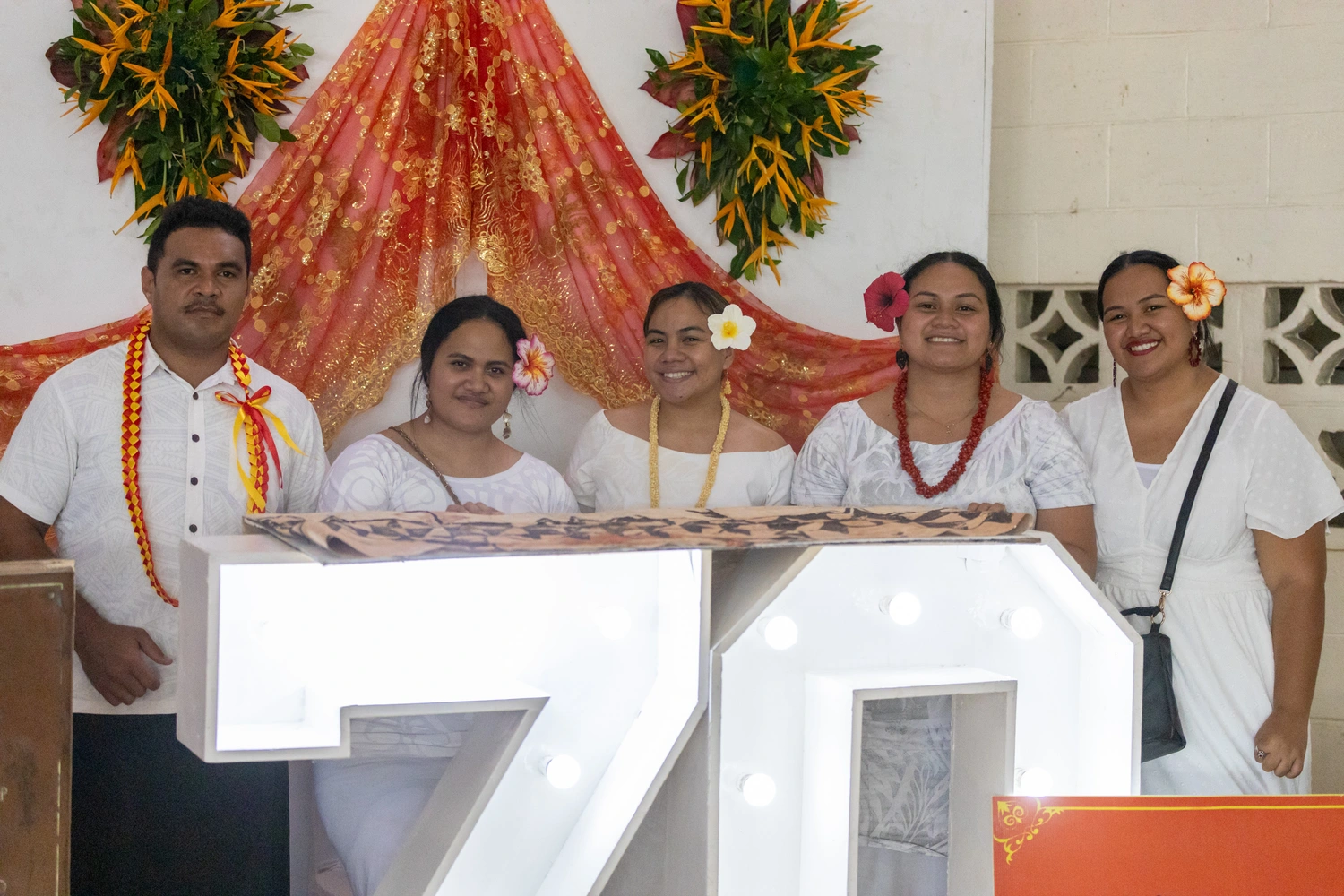
There were emotional scenes last Friday at Samoa College’s Multipurpose Hall at Vaivase as students, alumni and government leaders gathered to celebrate the pioneer educational institution’s 70th anniversary.
You only have to look at the guest list last Friday to realise the significance of the college’s contribution to Samoa’s development over the last seven decades.
The Member of the Council of Deputy, Le Mamea Ropati Mualia, the Deputy Prime Minister, Tuala Iosefo Ponifasio, and the Opposition Leader Tuilaepa Sailele Malielegaoi, as well as Australia and New Zealand’s top diplomats, were among those who attended the celebration.
Nations around the world have institutions that played key roles during the pre-independence period in educating a young and inexperienced workforce. They would lay the foundations for nation-building upon gaining independence and Samoa College is in that exclusive club of pioneer educational institutions.
Looking back at the last 70 years of the college’s journey, we must say that Samoa’s first secondary education institution ticked all the boxes, with its graduates going on to become leaders within the government, the public service, the private sector, civil society and church and faith-based organisations in Samoa. A commendable job and an achievement to be proud of by the college’s past and present administrators.
The Deputy Prime Minister, in his speech at the college last Friday, was not wrong in saying that the college’s vision to “provide education for the development of an independent state” had been realised and fulfilled.
"Thank you all for your contributions, both large and small, to the growth and prosperity of Samoa,” said Tuala. “May the light of knowledge continue to shine brightly through the halls of Samoa College, illuminating the path for future generations."
So where to from here for the college, following the pioneering work of Kiwi educationist and New Zealand’s Education Director General (1940–1960) Dr. Clarence Edward Beeby in 1952, who played an instrumental role in setting up the college?
With Samoa’s celebration of its 60th Independence anniversary last year and its 61st this year, the country has come a long way in terms of its development, with the college’s alumni playing an important role in its successes and today can be found in the various local sectors plying their trade.
However, Samoa’s multiple development challenges – brought on by the vulnerability of its status as a Small Island Developing State, the debilitating economic impact of the COVID-19 pandemic, climate change, and a noncommunicable diseases (NCDs) crisis – highlight the need for the country’s education sector to continue to upskill its local human resource with the ability to tackle and navigate these development challenges for the benefit of the nation and its 200,000 population.
Samoa College, due to its historical links to the country’s pre-independence era, should continue to lead the way through its provision of high-quality secondary school and college education and set the benchmarks for the other colleges in the country. It was given that mandate in Samoa’s pre-independence period, and while we accept that the times have changed over the last 70 years, the challenges facing this nation have multiplied and become more complex needing a more smarter and intelligent workforce.
The college’s current motto, “Atamai e tautua mo Samoa” (Wisdom to serve Samoa), should continue to encapsulate the agenda of this pioneering educational institution going forward in order for other secondary colleges to take their cue.
Every year we continue to be privy to evidence, either from the Ministry of Education and Culture or from higher education institutions such as the National University of Samoa (NUS), of the poor educational outcomes facing many of our schools and colleges to directly and indirectly affect our children’s future.
While the public’s expectations of the country’s schools and colleges such as Samoa College will always be high, the outcomes are unlikely to change for the better and in favour of our students, unless there is adequate support for the education sector. The crux of the matter is that in order for a nation to have a highly trained and skilled intelligent workforce, further government investment in the education sector is critical.
As U.S. President John F. Kennedy once said, “Our progress as a nation can be no swifter than our progress in education. The human mind is our fundamental resource.”