



 Login
Login
 Subscribe
The language of social media
This morning I was asked to look at an essay with the following topic: The language of social media. I’ve never really thought about the subject until 3 am today. Since, I don't know much about the topic, I had to do some light reading and by that, I mean, a few online articles and a few journal articles. Sixty percent of the work, for any writing, is research, reading and the other thirty percent is editing. The last ten is writing.
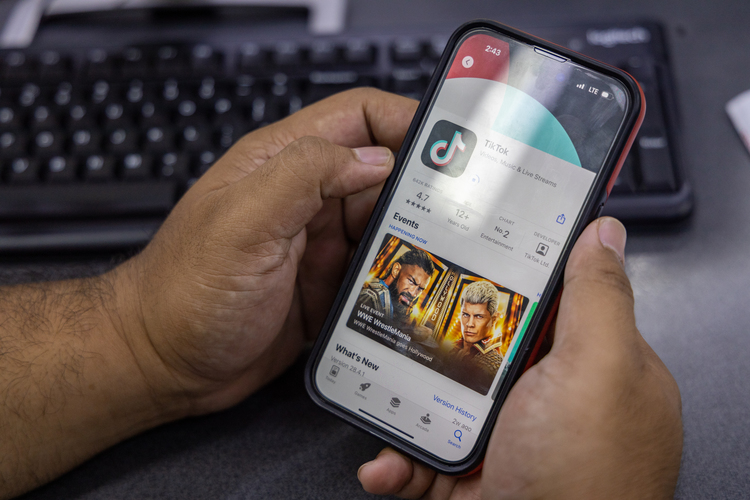
The concepts and frameworks for linguistics using them in the analysis of social media. The twelve most popular social media networks are Instagram, Facebook, Snapchat, TikTok, LinkedIn, Pinterest, Twitter, YouTube, Reddit, WhatsApp. When we post on these platforms, are we thinking about the language we are using? What kind of reaction are you trying to get? Who is your audience? Are you trying to get fans or build community? What is your aim? Do we even know why we are posting?
People engage on these platforms in different ways. Some are linguistically savvy, strategic and skilled in navigating different genres while others portray a particular identity, to persuade, to inform, to amuse and entertain, to vent and to complain (Calude, 2024). We’ve seen serious hate speech, defamation, threats and so many other nasties on social media. Now, it is a crime to do the following and your words can be used against you in court in some countries including Samoa.
We all remember learning to write and read early on in life, trying to string a sentence together and then an essay. Language acquisition does not come naturally, it is learnt and taught. The flow of information, packaging of tight sentences, arranging ideas so they sound cohesive on paper and academically sound is all part of language.
Language is not just one thing, and it is constantly changing. We face different types of language every day. From the early morning spoken good morning, informal and unplanned conversational language to the various written, written, formal and highly edited language, including legal contracts, and academic prose and research articles.
How are we using language to get things done on social media? Twenty years ago, many local businesses did not have social media platforms or had a full-time marketing, content creator or communications officers. Today, anyone who is selling a service or product is on social media. It’s fast and free most of the time, global and can reach anyone who is connected to the internet. Imagine COVID-19 without social media, zoom calls and messenger apps. Everything happens for a reason, eh?
Most of us didn't have to go through getting in the car, going with the family to the Post office in town, hiring that phone booth and call collect to our families overseas in the 90s. Those hard days are over and today, a press of a button and things happen. The language of social media changes just like society. It all depends on the message you are sending, your audience and the goal of that communication.
Social media can start and end wars, it can do a lot of good but also evil. Breaking souls and annihilating families. It can create social change and help so many people if we use it as a tool, the right way. Remember that the next time you want to rave like a mad man at a stranger online, add to gossip you have no idea about or heresy without evidence. Words in written form can land you in hot water and jail my friend! Enjoy the rest of your week Samoa.
Enid Westerlund is a regular columnist for this newspaper. She is an aviation specialist, business consultant, author and loves teaching children to read on the weekend.




