Login
Login
 Subscribe
Boosting domestic agriculture in Fiji, Samoa, and Solomon Islands
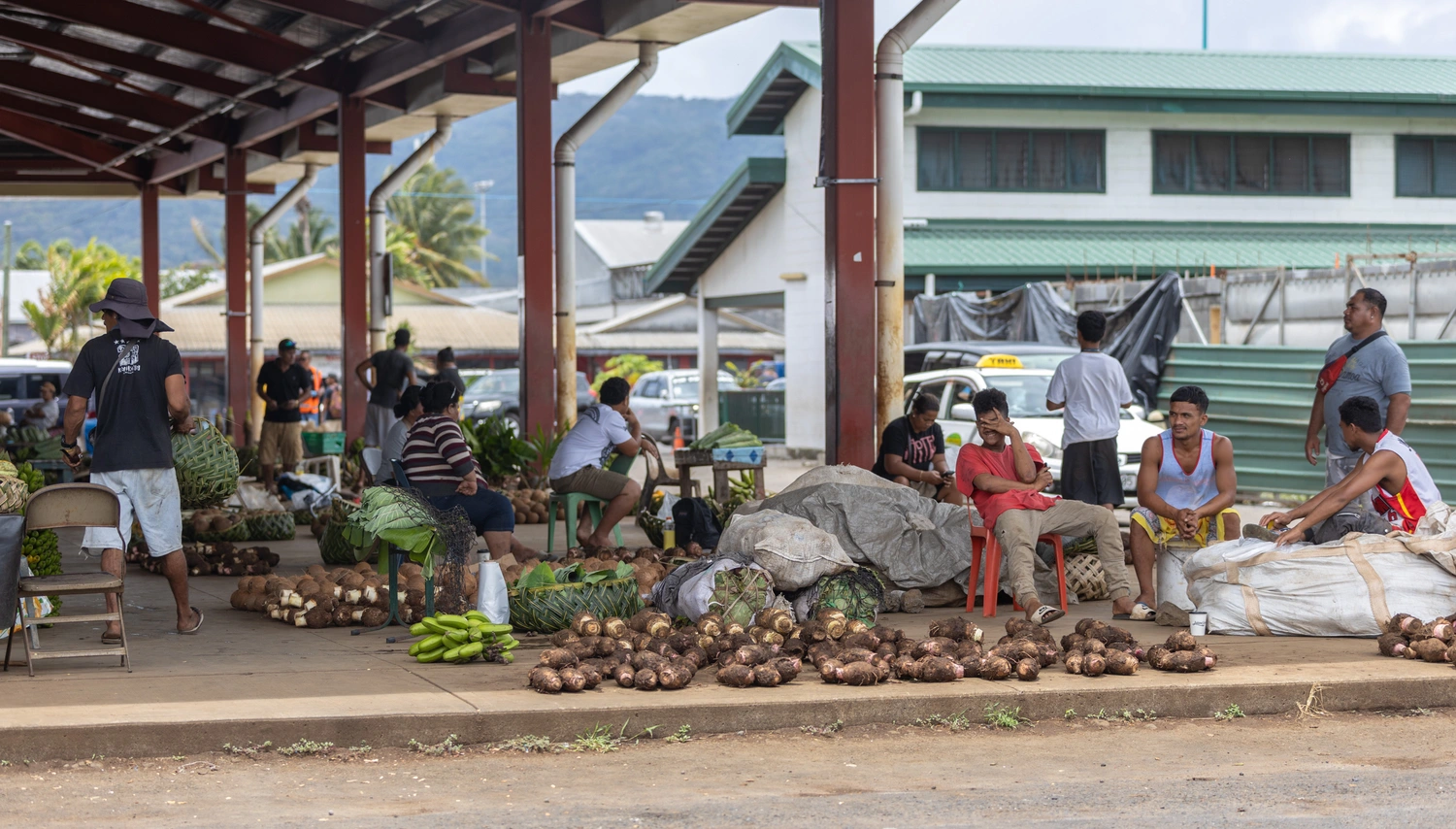
Countries in the Pacific, including Fiji, Samoa, and the Solomon Islands, are falling further behind on their SDG targets due to the long-term effects of the COVID-19 pandemic and supply chain disruptions caused by the Ukraine war.
The 5F crisis, which is characterized by rising prices for food, feed, fuel, and fertilizer as well as limited access to financing, is significantly limiting national and household coping capacities. High food inflation is having a significant impact on vulnerable populations, leading to increased consumption of cheaper but unhealthy local and imported foods, intensifying health and agrifood system challenges.
In response to this severe situation, the Food and Agriculture Organization of the United Nations (FAO), with financial assistance from the Delegation of the European Union (EU), is taking proactive measures. The Sustainable Transformation of Domestic Agrifood Systems in Fiji, Samoa, and Solomon Islands (STODAS) Project has been initiated, aiming to foster domestic production and consumption through a resilient and sustainable agrifood transformation across the specified countries and the broader region.
A planning and review meeting for STODAS transpired from 18-19 March 2024, drawing the participation of key stakeholders, including representatives from the governments of Fiji, Samoa, and the Solomon Islands, as well as FAO and the EU. The primary focus of the meeting was to conclude the annual work plan for the project's implementation in Fiji, Samoa, and the Solomon Islands and to facilitate the inaugural meeting of the project steering committee.
“The Sustainable Transformation of Domestic Agrifood Systems Project has come at the right time to address challenges currently faced by Fijian farmers. This project will assist in addressing some of the strategic priority goals identified in the Ministry’s Strategic Development Plan. We, therefore, provide full support to the project and look forward to its successful implementation,” stated Dr. Andrew Tukana, Permanent Secretary for Agriculture and Waterways, Fiji during the workshop.
"STODAS stands as a pivotal project for the Solomon Islands, offering ample flexibility for collaboration with key stakeholders such as the FAO, EU, and partner nations like Fiji and Samoa. Together with our local stakeholders and farmers, it aims to establish and fortify a resilient domestic food production system, ensuring sustainability for the nation." stated Lottie Vaisekavea, Permanent Secretary, Ministry of Agriculture & Livestock, Solomon Islands.
“Encouraging people to develop agriculture for future generations and taking small steps in the right direction are crucial for sustainable development and long-term success.” stated Seuseu Dr. Joseph Tauati, Chief Executive Officer, Ministry of Agriculture and Fisheries, Samoa.
"Recognizing the different challenges that Pacific Island countries face, including the ongoing effects of the COVID-19 pandemic, price increases in food, feed, fuel, and fertilizer, and limited access to finance. FAO is committed to assisting Pacific countries in achieving sustainable development goals, particularly in agriculture, forestry, and fisheries," stated Xiangjun Yao, FAO Representative and Sub-regional Coordinator for the Pacific Islands.
"This is an essential step towards strengthening our combined efforts to address the region's challenges. Together, we can create more sustainable and resilient food systems, leading to a more sustainable future for all." She added.
STODAS intends to directly impact over 2000 farmers and households, with more than 150 enablers (policymakers, service providers, community service organizations (CSOs), agribusiness mentors, and extension actors) receiving capacity building. A legacy of the project will be the establishment of three agribusiness incubators in the respective countries, designed to support rural innovations and enterprises, with a predominant focus on engaging youth and women in the agrifood systems transformation agenda. Throughout the project's lifetime, a minimum of 90 agribusinesses will receive vital support.